
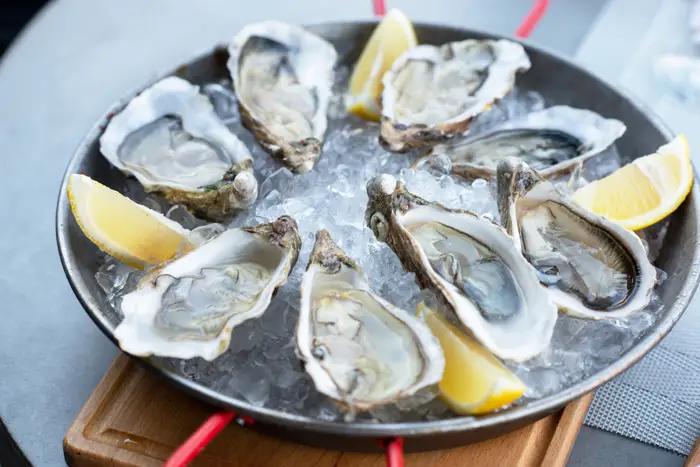
Summer means cookouts, coast trips, and raw bars – but warm weather also creates the perfect conditions for a dangerous bacteria called Vibrio vulnificus to thrive in coastal waters and shellfish. Most people have never heard of it, and that gap in awareness puts real communities at real risk.
Vibrio vulnificus is a naturally occurring bacteria found in warm, brackish coastal waters along the Gulf Coast, Atlantic seaboard, and Pacific shoreline. Water temperatures above 55°F accelerate its growth, and summer pushes those temperatures well into the danger zone. The bacteria concentrates inside filter-feeding shellfish – oysters, clams, mussels, and scallops – because these animals pull large volumes of water through their bodies, accumulating whatever lives in it.
How Infection Happens
Two primary routes lead to infection. The first comes from eating raw or undercooked shellfish. A single contaminated oyster carries enough bacteria to trigger illness within 24 hours. The second route involves direct skin contact – exposing an open wound, fresh cut, or skin abrasion to warm seawater where the bacteria live.
Symptoms develop fast and hit hard: nausea, vomiting, diarrhea, stomach cramping, fever, and chills. For people with underlying health conditions – liver disease, diabetes, cancer, HIV, or any condition affecting the immune system – the infection can enter the bloodstream and become life-threatening within days. Skin infections from water exposure can produce painful blistering lesions that spread rapidly.
Who Faces the Highest Risk
Black communities carry disproportionately higher rates of diabetes, liver disease, and hypertension – conditions that elevate Vibrio vulnificus risk significantly. According to the CDC, people with liver conditions face a mortality rate from this infection that reaches 50% or higher. That connection between chronic illness and environmental health risk deserves more attention than it typically receives in mainstream summer health coverage.
What to Do Before You Head to the Water
A few practical steps protect you and your family this season:
- Choose fully cooked shellfish at cookouts and restaurants
- Cover all cuts, scrapes, and open wounds before entering coastal water
- Refrigerate raw seafood immediately and consume it fresh
- Check local beach and shellfish harvest advisories before eating or swimming
- Seek medical care immediately if symptoms appear after ocean exposure or a seafood meal
Go Enjoy the Summer
The beach, the raw bar, the shore – all of it belongs to you. Knowledge makes the experience better and safer. Check your local coastal advisories, protect your skin, and eat your seafood hot and fresh. The ocean is calling – go answer it with your eyes open.